At Sea, off Nordaustlandet Island, 6/11/2025, National Geographic Endurance
Aboard the
National Geographic Endurance
Arctic
We spent an amazing day exploring the sea ice, the environment that supports and gives life to the High Arctic. We spent the whole day enjoying iconic views of an iconic landscape and had several opportunities to admire numerous wildlife species, from the ubiquitous black-legged kittiwake to walruses, polar bears, and the ethereal ivory gull. Wonderful!
Carlos J. Navarro is a biochemist specializing in marine biology, a M. Sc. in Environmental Management and a freelance wildlife photographer/author. Carlos has spent most of the last 30 years living along the shores of the Sea of Cortez and participa...
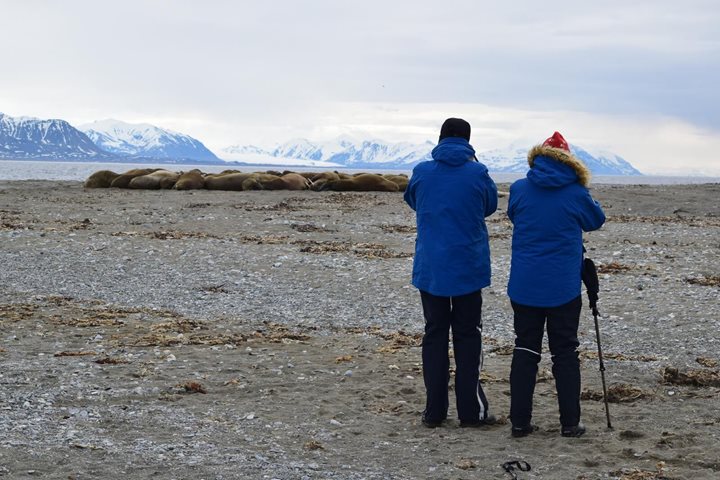
The last full day of the voyage, and we hit a grand slam! We spent the morning with walruses, the afternoon with the largest of all animals, the blue whale, and later we encountered one of the smallest whales, the beluga, the so-called canary of the sea.
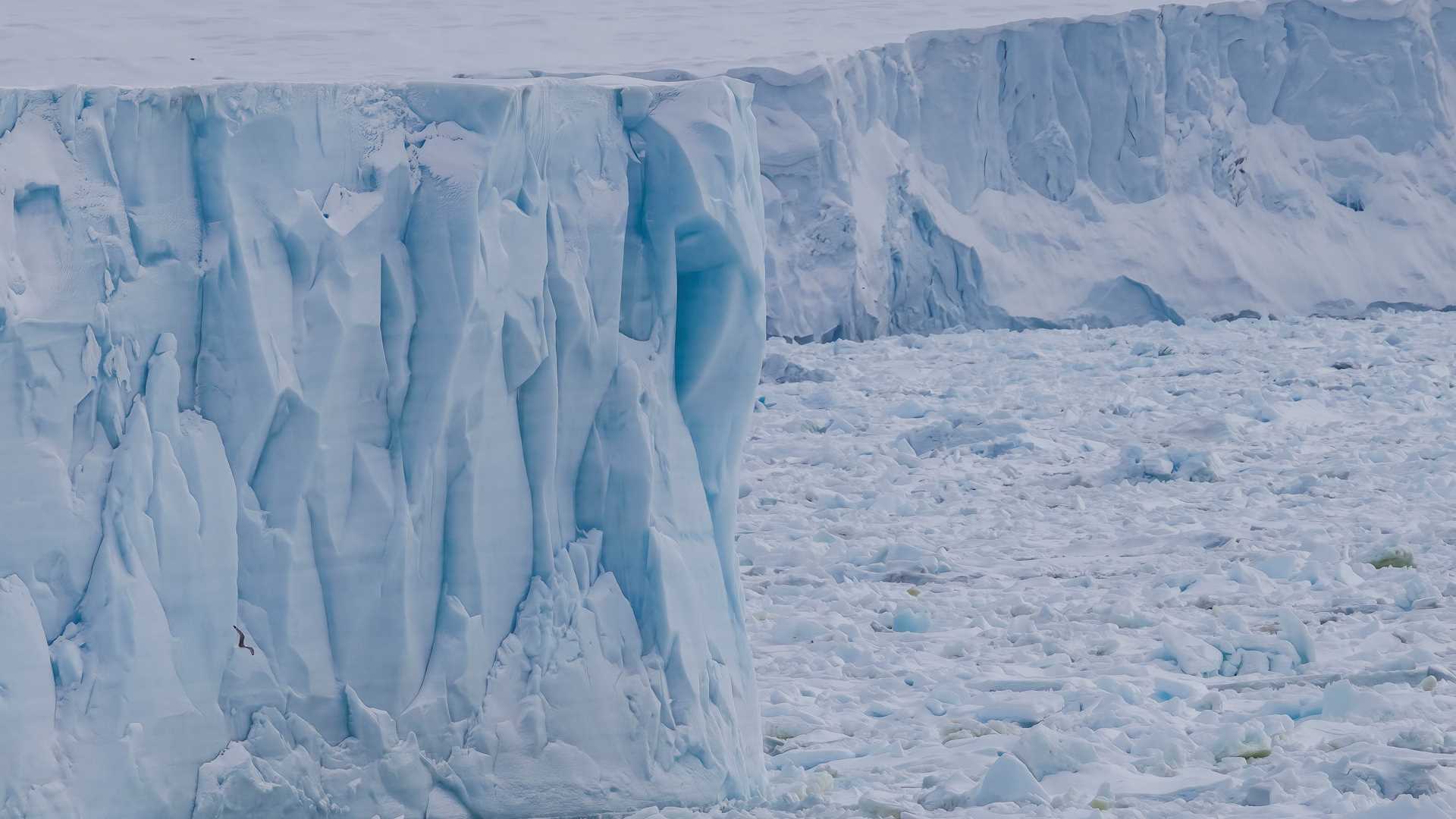
We started our adventures this morning at Texas Bar, a trapper’s hut beloved both for its quirky name and alluring setting. A series of hikes led up a ridge, with lovely views out towards the Monaco Glacier at the summit. Purple saxifrage in full bloom and vibrant green mosses lent color to the scene, while pink-footed geese, burbling snow melt streams, and the sweet song of the snow bunting provided the soundtrack. After our hikes were finished, we returned to the ship for a cruise through still-dense ice to the face of Monaco Glacier. Sunshine illuminated low wisps of clouds and the brilliant blue of the ice as a lone minke whale made a quick pass. What better place to do the polar plunge? In the end, twenty-four plungers braved the cold Arctic waters.
In the morning, guests enjoyed kayaking in calm water near the Wahlenberg Fjord of the Northeast Island. Nearby, a walrus fed at the bottom, surfacing every few minutes to catch a breath before diving again. In the afternoon, a landing was offered with strenuous, moderate, and casual hikes on Torellneset. Guests hiked across a series of raised beaches that extended several kilometers in every direction. About 30 m above the shoreline, a few weathered whale bones were found. Apparently, they were at least 1000 years old. When we returned to the landing site, we found it was blocked by moving sea ice. It required a bit of time and skill to find a way in the labyrinth of moving ice. The day was not yet over. After cocktail hour, recap, a briefing for tomorrow, and another delicious dinner, a Zodiac cruise was offered at the famous Alkefjellet Cliff. This cliff hosts one of the world’s most impressive seabird colonies, where more than 150,000 birds can be observed. It is home to the largest colony of thick-billed murres in Svalbard. The weather was very calm and the cliff’s reflection in the water was disturbed only by the landing and taking off of literally thousands of birds.